Our Available marking methods
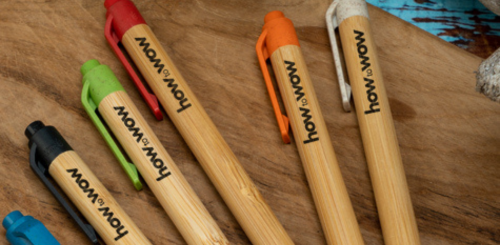
A technique in which permanent printing ink is applied to the product using a soft, silicone stamp called a printing pad. In addition to the ink and the pad, you also need a special machine called a pad machine and an image plate (also called a cliché) containing the pattern or image.
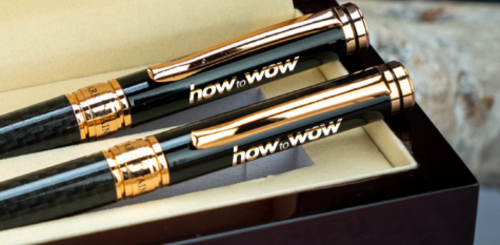
Laser engraving is a marking method that uses a computer-controlled laser beam to precisely remove material from the surface of the object.
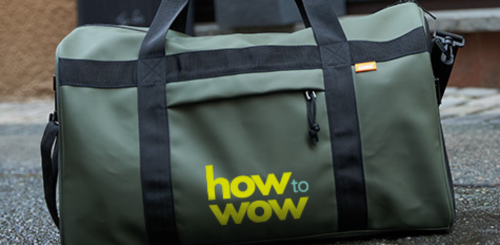
Screen printing is a technique in which ink is applied to products using special screens. Polyester mesh with different-sized apertures is stretched over a frame. In the pre-printing process, the image that is to be transferred is exposed to light-sensitive emulsion. Then the ink is applied to the product using a rubber squeegee.

Automatized method of multi-colour printing on textiles, with the use of a professional carousel. Prints are applied to all types of textiles: T-shirts, polo shirts, sweatshirts, cotton bags. It makes it possible to complete large orders in a short time.
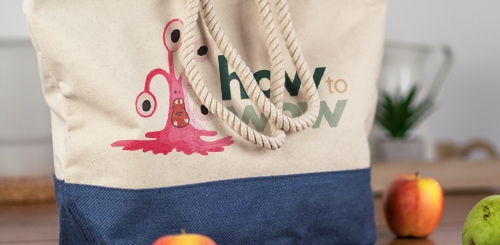
Thermal transfer printing is a technique where an image is heated into a substrate. First, the image is adhered to a special transfer (backing) ribbon, and then it is transferred to substrate using a thermal print head which generates temperature of approximately 150°C.
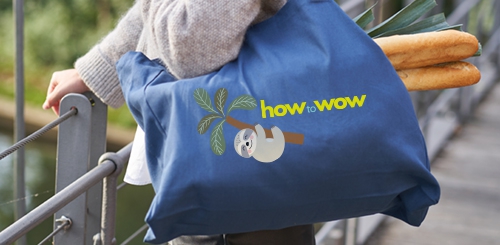
In DTG printing, the ink is digitally applied directly to the garment. The process does not require any pre-production preparation of screens etc. and allows customisation of each single piece without incurring additional costs.
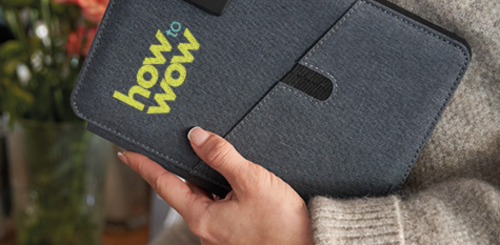
Direct To Film - is a printing method in which first a design is printed onto PET foil, next the print is covered with a special powder that acts as an adhesive, and then the print is transferred with a heat press to a specific product.
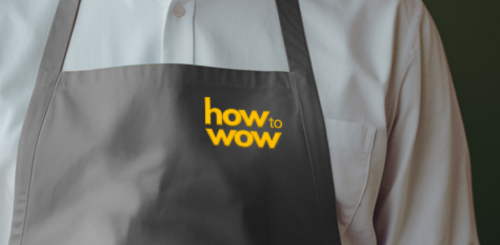
Embroidery is one of the oldest ways of decorating. Machine embroidery, which replaced traditional hand embroidery, is a method of permanent and precise reproducing designs onto fabric, even in large quantities.
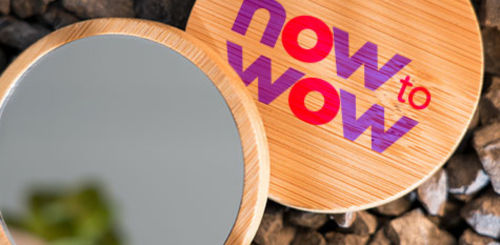
UV printing is a non-contact, digital form of marking that involves printing an image directly from the computer's memory onto the product surface, and using the UV light to dry or cure the ink in order to make it resistant to external factors.

The technique involves applying a special paint to the surface of a ceramic object. A film-forming cover-coat layer is used for the transfer of the ink to the substrate. The image is transferred manually. Then the backing paper is burned at 200°C.

Sublimation transfer printing is a technology in which sublimation dyes are transferred from transfer paper to polyester or polyester-coated product, e.g.a ceramic mug.
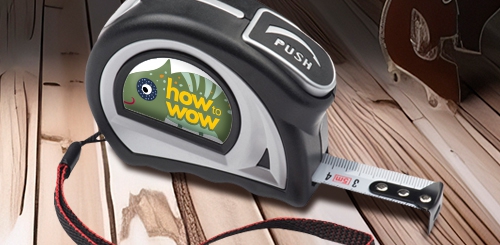
A printing technique in which a resin layer is placed on a self-adhesive sticker resulting in an almost three-dimensional image effect. In the process, a layer of polyurethane resin is applied onto a digital print, giving it a strong and deep colour.
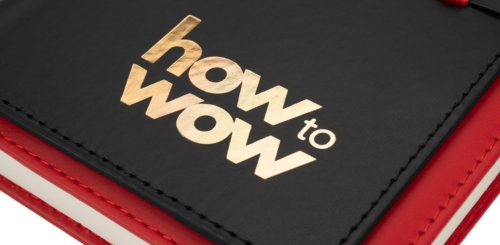
Embossing is a printing technique in which we transfer an image from a tool called die onto a substrate using heat and pressure. Dry embossing is when we simply stamp the die and transfer the image directly on the surface of the material, and coloured hot stamping is when we additionally use foil to get golden or silver print.

We make self-adhesive labels of different shapes that can be placed directly on the product or on its packaging. In our offer there are also tags and inserts of various kinds – a great alternative for prints.