Screen printing
Marking groupsScreen printing is a technique in which ink is applied to products using special screens. Polyester mesh with different-sized apertures is stretched over a frame. In the pre-printing process, the image that is to be transferred is exposed to light-sensitive emulsion. Then the ink is applied to the product using a rubber squeegee.
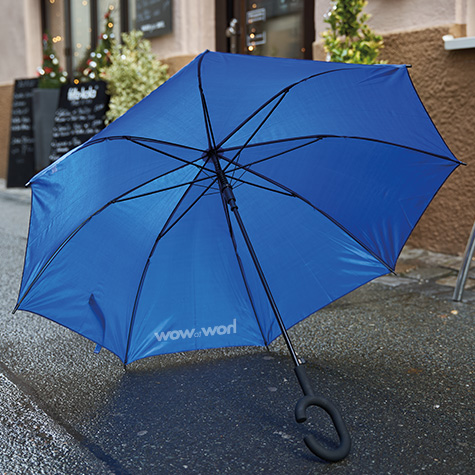
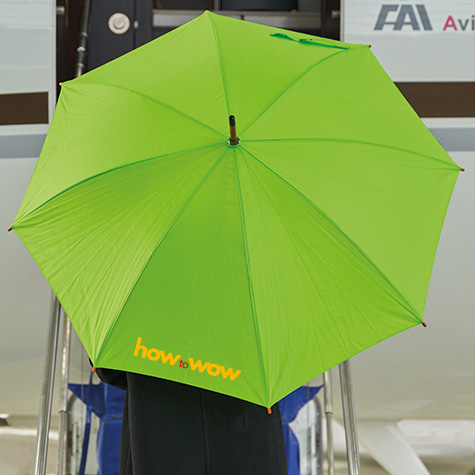
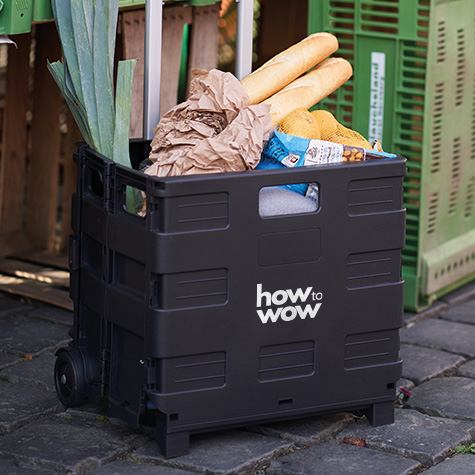
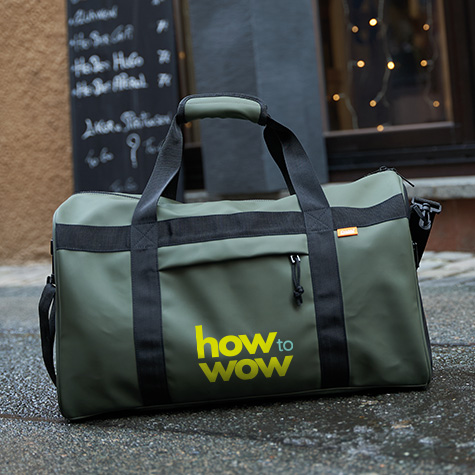
This process involves applying the ink onto the substrate; the ink is pressed through a stencil containing the design, and a mesh with holes placed under it, on the substrate. Screen printing can be used for many types of products made of fabrics, cotton, knitwear, and also plastic and wood. Therefore, screen prints may decorate clothing, bags, umbrellas and hats, but also plastic, wooden and leather items. Depending on the material and the possibility of hardening the inks, plastisol, water-based, solvent-based and UV paints are used.Our screen printing facilities include both the most modern screen printers, such as MHM, Anatol, Alraun, and manual machines. We use the versatility of this technique to print not only on garments, but also on many other advertising products. NOTE: As a standard, for screen printing we use the Pantone system.
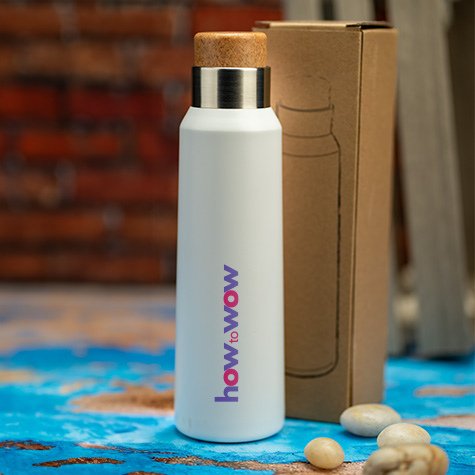
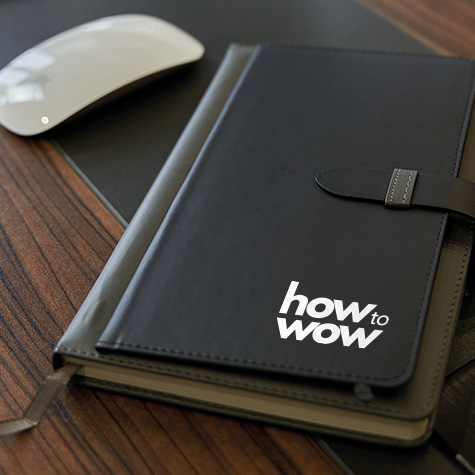
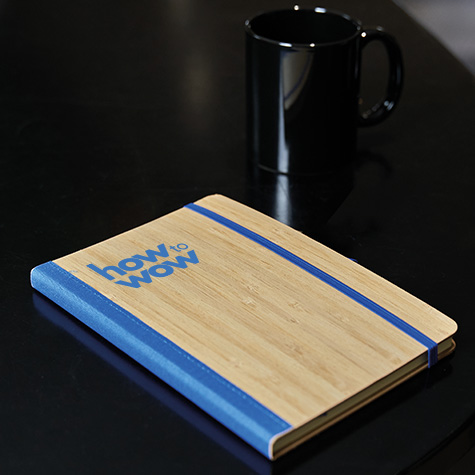
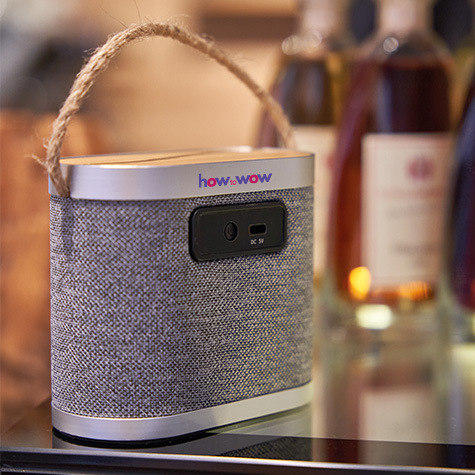
1. Diverse application - screen printing may be applied both on fabrics, knits and cotton, as well as on plastic and wood. Screen printing is most typically used to print on textiles, such as clothes, bags, umbrellas and caps, but also on wooden and plastic products.
2. Longevity - we use very durable inks, thanks to which prints are resistant to, among others, moisture, UV radiation, mechanical damage or damage resulting from washing.
3. Colour saturation - using the right amount of ink allows us to obtain extremely vivid and fully saturated colours.
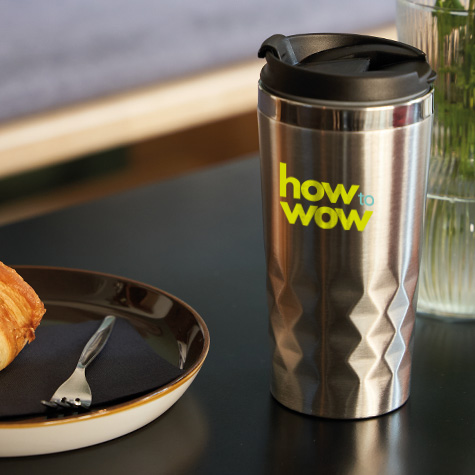
4. Versatility - screen printing is a technique that can be used to print both on flat substrates, and on cylindrical surfaces.
5. Low price - screen printing prices are attractive both in case of low- and high-volume printing jobs.

Attention:
- Pantone colour matching system.
- Max. 4 print colours.
- Print on flat and curved surfaces.